Mixed marriages are the norm in Uzbekistan. The compromises a family found in life become harder at the moment of mourning: by whose tradition?
The base principle: burial is performed by the canon of the deceased — a mullah doesn't bury a Christian, a priest doesn't lead janazah. The compromise happens later, around the memorial days.
Hybrid scenario: keep burial strictly by the deceased's faith, then run parallel observances on day 40 and the anniversary. The Muslim son lights a candle for his Orthodox mother in church while ehson with plov runs separately in Uzbekistan. Neither tradition is violated.
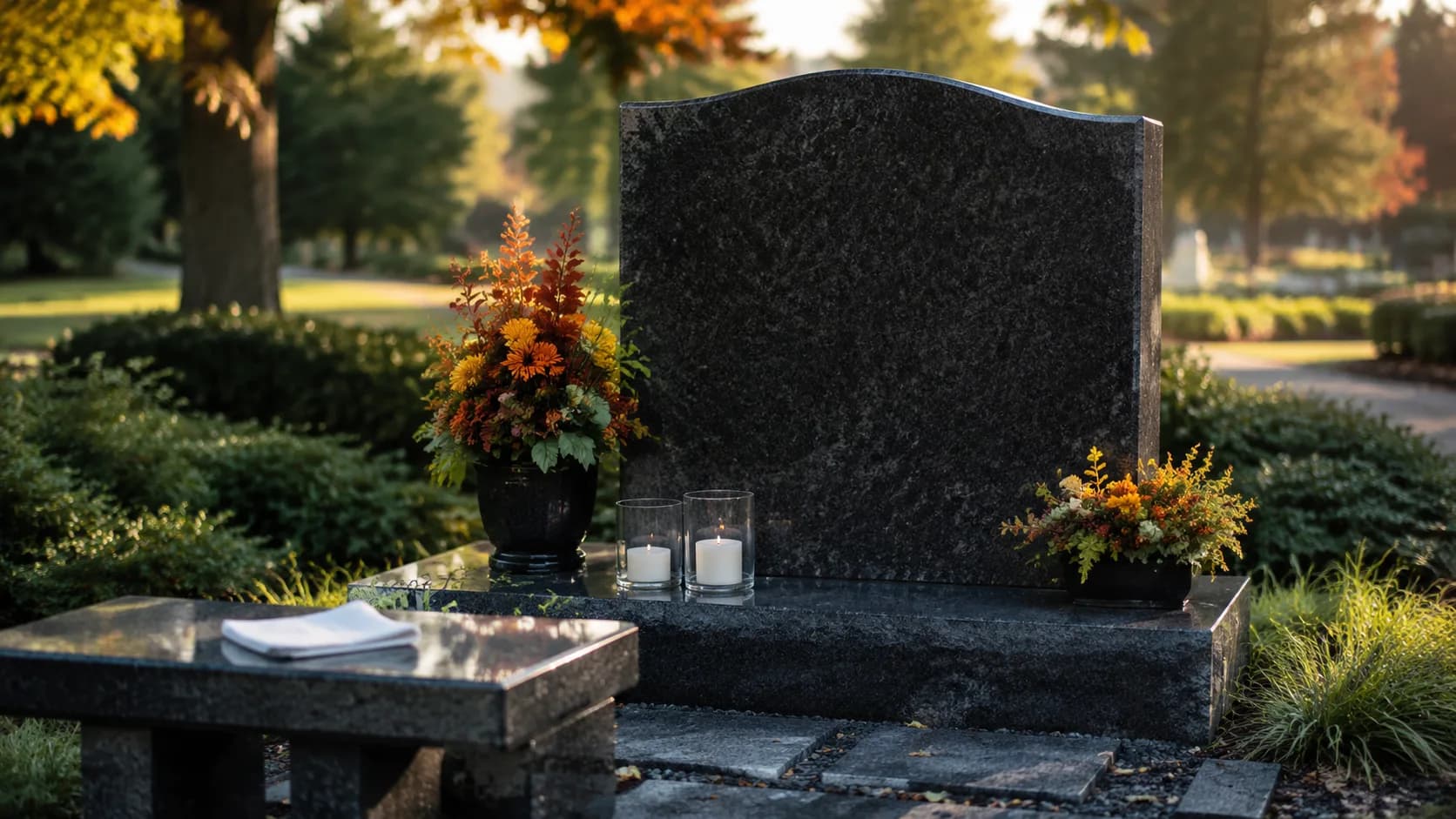
Monument design often softens: a neutral granite stone without a cross or Star of David, two side-by-side stelae with separate symbols, or a culturally hybrid design.
Calendar coordination is the hardest part. We offer a family-calendar service that auto-tracks the mixed schedule (Yahrzeit + Radonitsa + Ramadan + All Souls' for one family if needed) and aligns visits accordingly.
Frequently asked questions
Canonically — no. Orthodox tradition only commemorates baptized Christians. Private prayer for relatives of any faith is permitted on both sides.
Ask which tradition the deceased themselves considered «theirs» — that's the strongest argument. If still unclear, the hybrid scenario (both in parallel) is almost always the answer.
Read next in this cluster
- Armenian, Muslim and Jewish funerals in UzbekistanA respectful overview of how Uzbekistan's communities — Muslim, Orthodox, Bukharian Jewish, Armenian, Catholic, Korean, and secular — say goodbye and commemorate their dead.
- Secular civil ceremony: a calm form of farewell without religious symbolsHow to organize a secular farewell: format, eulogies, music, what to bring to the grave. Particularly relevant for mixed and non-religious families.
Related topics
Need help or a detailed estimate?
We're available 24/7. Leave a request — we'll call back and clarify.