Bukharian Jews have lived in present-day Uzbekistan for over 2,500 years. After the mass emigration of the 1990s, the main centres are Queens (New York), Israel and Vienna. The mourning cycle in the Bukharian minhag follows the general Sephardic pattern with local touches from the Central Asian context.
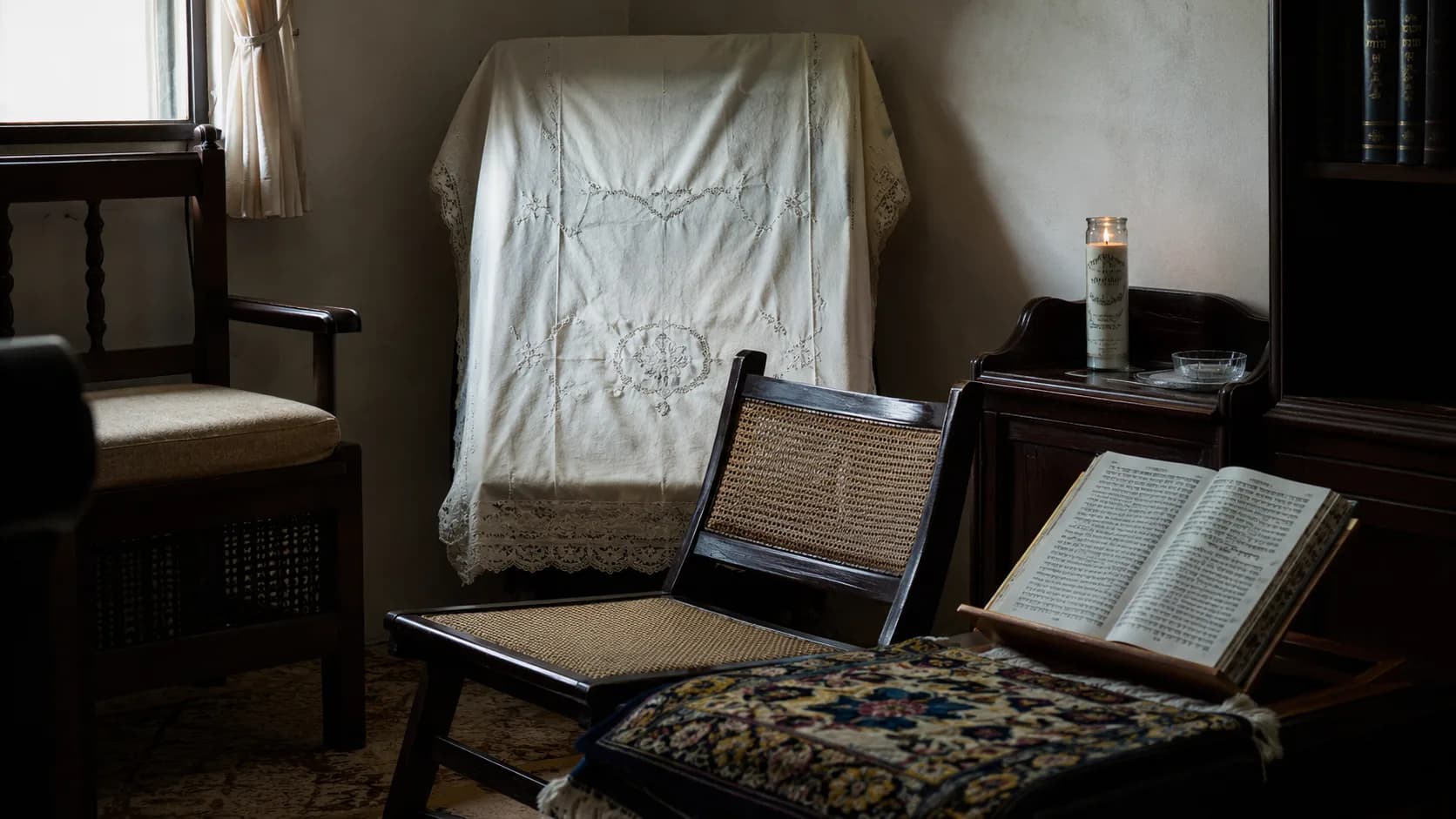
Shiva is seven days at home: low chairs, covered mirrors, food brought by neighbours, Tehillim recited together. Shloshim continues for 23 more days with reduced restrictions. The 11-month Kaddish recital follows for parents of the deceased.
The matzevah is unveiled (Hakamat HaMatzevah) within the first year, usually around the 11th month in the Bukharian custom. Yahrzeit, the annual Hebrew anniversary, is the recurring touchpoint. Kever Avot visits cluster around Elul and the High Holidays.
For diaspora families. Tell us the Hebrew date of death and the preferred language (Russian, English, Hebrew). We auto-sync the visit schedule to Yahrzeit and the Elul Kever Avot window, and we provide video coverage of the matzevah unveiling.
Frequently asked questions
Any male relative (son-in-law, nephew, brother). When relatives are unavailable, communities arrange for someone to be hired to recite — the Bukharian congregations in New York and Tel Aviv handle this.
Technically yes, but the Bukharian custom usually waits about 11 months. The general Sephardic practice unveils earlier; Ashkenazim usually wait the full year.