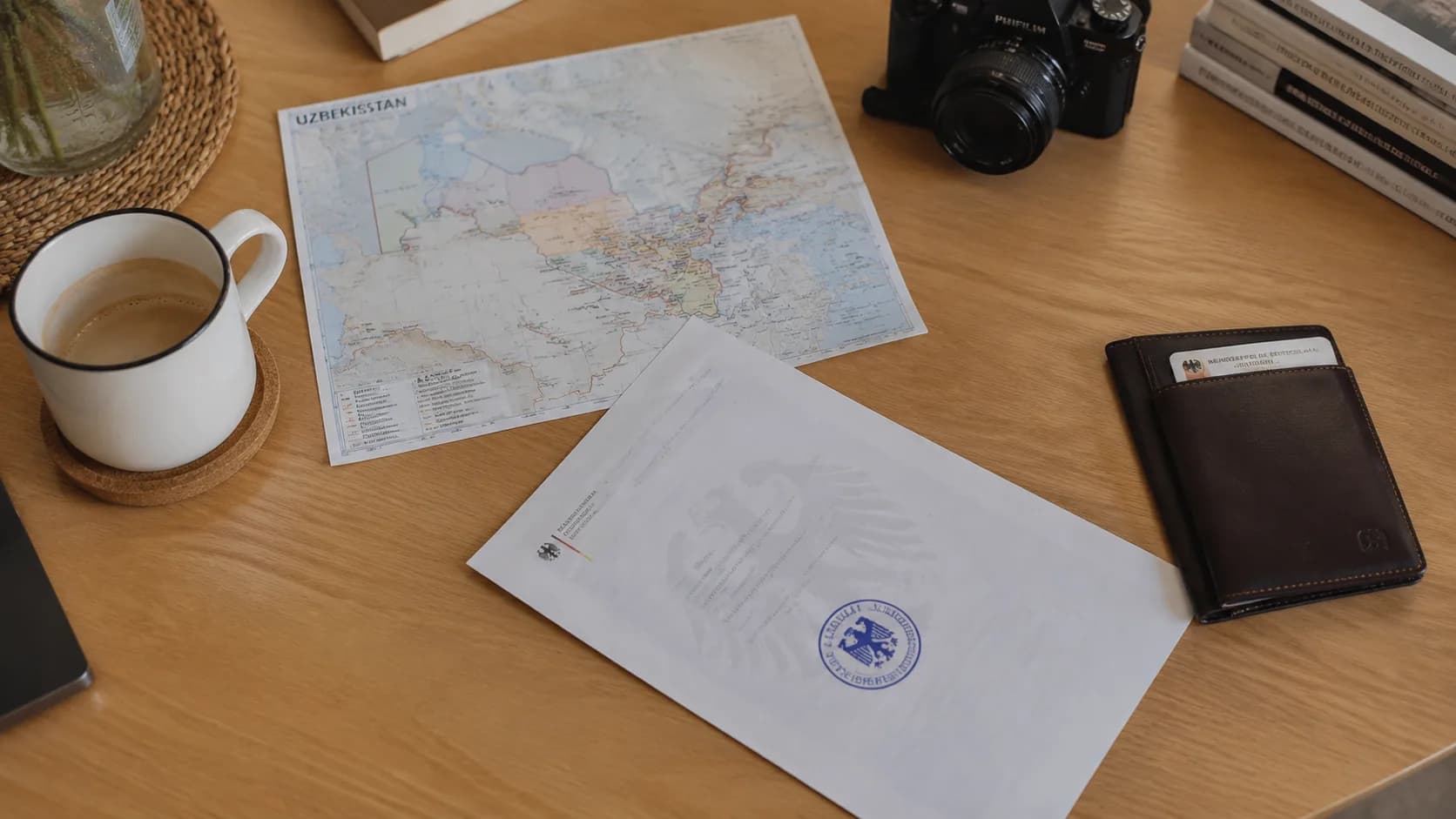
About two million Russlanddeutsche emigrated to Germany from the 1990s; many have ancestors in Uzbekistan — Trudarmee deportees and those who died in Tashkent or Samarkand in the 1960s–1980s. This guide is for them.
Gather family data in German and Russian, with all spelling variants. The German embassy in Tashkent does not issue copies of Uzbek documents: get the death record via my.gov.uz (service 303 or 400, with OneID), a relative in Uzbekistan with a power of attorney, or the Uzbek consulate in Germany — see the Uzbek death certificate from abroad.
The cemetery archive responds best to Russian or Uzbek, not German. Lutheran families typically lie in the Botkin evangelical section; Mennonite families in rural cemeteries around Tashkent.
Payment from Germany: by the details in your contract — a SWIFT bank transfer in US dollars or a transfer to a Uzcard or Humo card; any other method by agreement with the coordinator. The contract is in US dollars.
Frequently asked questions
Yes, we handle German in WhatsApp, Telegram and the site chat. The search itself runs in Russian / Uzbek at the Uzbek archives.
Yes. A sworn Russian–German translation is arranged separately via a sworn translator in Germany. We refer trusted partners.
Read next in this cluster
- How to find a relative's grave in UzbekistanA step-by-step guide to finding a grave in Uzbekistan: what data to collect from family, how to pick the right cemetery, how to confirm the plot, and what to do when information is sparse.
- How to find a grave in Uzbekistan from abroad: a diaspora's guideWhat US, Canadian, Israeli, German and Australian diaspora families need to know to find an ancestor's grave in Uzbekistan from across the world.
Related topics
Need help or a detailed estimate?
We're available 24/7. Leave a request — we'll call back and clarify.