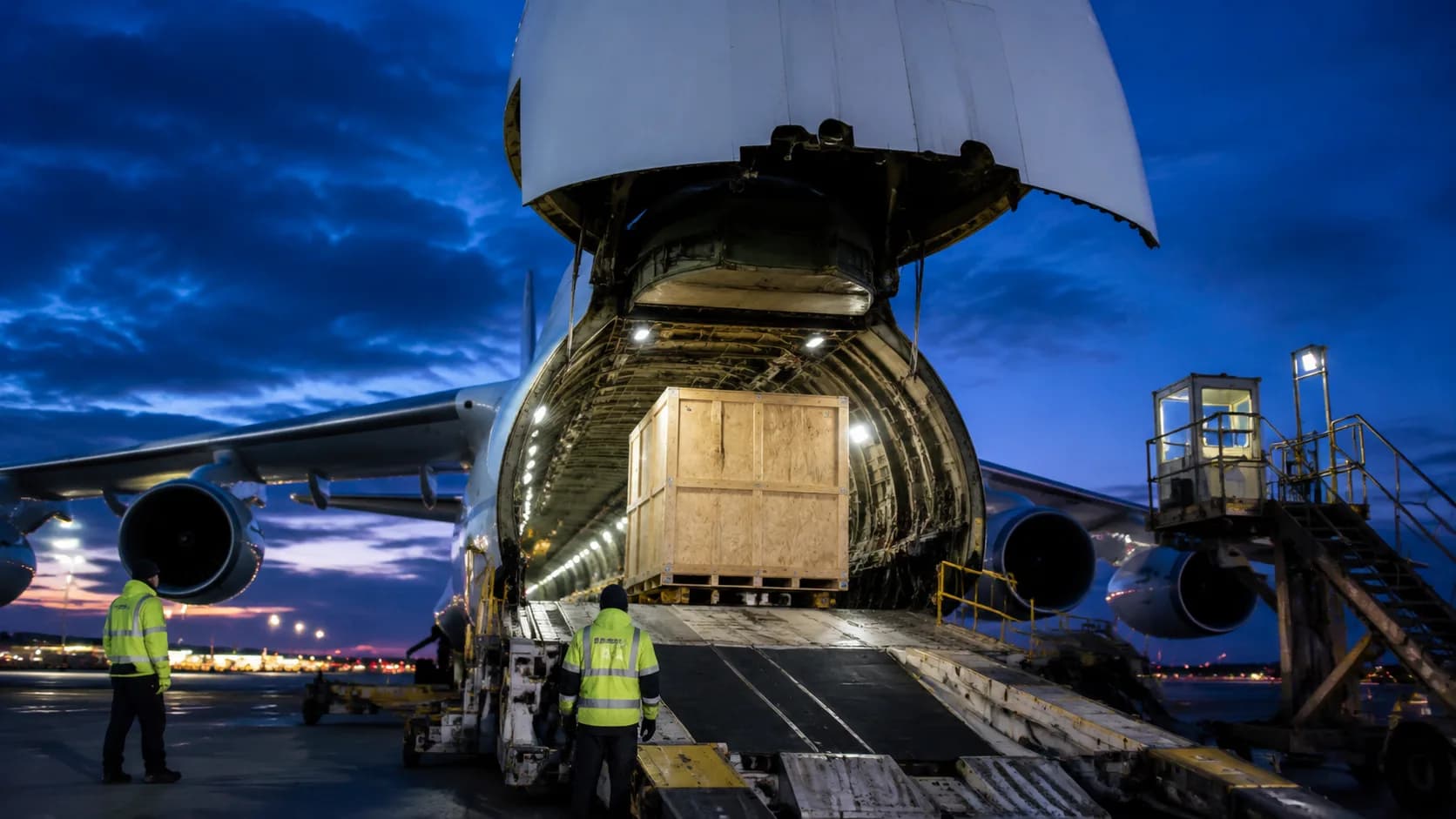
The USA is the third-largest repatriation corridor from Uzbekistan, mostly driven by the Bukharian Jewish community in Queens (New York) and the Russian-speaking diaspora in major American cities. Unlike Russia or Israel, there is no direct flight — every case involves a connection, usually through Istanbul, Frankfurt, or Moscow.
Airlines and routing. Most common: Turkish Airlines (TAS–IST–JFK), Lufthansa (TAS–FRA–US-city), Aeroflot (TAS–SVO–JFK/SFO, declining in availability). El Al via Tel Aviv is also possible for Jewish families. Connection time matters: a >4-hour layover gives the receiving airport time to process documents on arrival.
CDC import permit. The US Centers for Disease Control require an import permit for human remains entering the US, issued by their Division of Global Migration and Quarantine. Easy to obtain (digital application) if the cause of death is not on the contagious-disease list. Takes 1–2 business days.
US consular mortuary certificate. The US embassy in Tashkent issues this; it serves as both a transit and entry document. Processing 3–5 business days, US$100 fee. The consular officer reviews the apostilled death certificate and the embalming certificate.
Documents at destination. The US funeral home handles the receiving-side paperwork: local burial permit, transit permit (if onward travel within the US), and family-specific arrangements. Most major US cities have funeral homes experienced with international cases — especially in Queens, Brighton Beach, Forest Hills, Los Angeles.
Typical market cost. Documents from Uzbekistan: $1500–2500. Air freight TAS–US city (typically with one stop): $4000–7000. US receiving side: $2000–5000. Total $7500–14500. This is one of the more expensive corridors due to distance and connection complexity.
Timing. 10–18 days end-to-end. The bottleneck is usually the US consular processing plus the cargo schedule (only 2–3 direct cargo connections per week from Tashkent to most US cities).
Bukharian community specifics. Queens has the largest Bukharian Jewish community outside Israel; their Chevra Kadisha works closely with international corridors. For Bukharian Jewish cases, the taharah-in-Uzbekistan-before-embalming protocol applies (see our Israel corridor article for the halakhic details). Most Bukharian US burials happen in cemeteries in Queens and Long Island.
Frequently asked questions
Application is online through the CDC's Quarantine Station portal. Most US funeral homes will file it on your behalf as part of their service.
New York (JFK or EWR) — most cargo capacity. LA and Chicago are 15–25% more. Smaller US cities require domestic connection inside the US, adding $500–1500.
Read next in this cluster
- Repatriation of remains from Uzbekistan: the universal paperwork checklistWhat every family arranging repatriation from Uzbekistan needs — death certificate, apostille, embalming and non-contagious disease certificates, consular legalization — across all corridors.
- Repatriation Uzbekistan → Canada: documents and airlinesHow to repatriate a deceased relative from Uzbekistan to Canada: connection routes (typically via Frankfurt or Istanbul), Canadian import permit, consular process, costs and timing.
- Repatriation Uzbekistan → Israel: process, El Al, Chevra Kadisha, costsHow a deceased Bukharian Jewish family member is repatriated from Uzbekistan to Israel: El Al cargo, the role of Chevra Kadisha, and what taharah and matzevah mean for the process.
Related topics
Need help or a detailed estimate?
We're available 24/7. Leave a request — we'll call back and clarify.