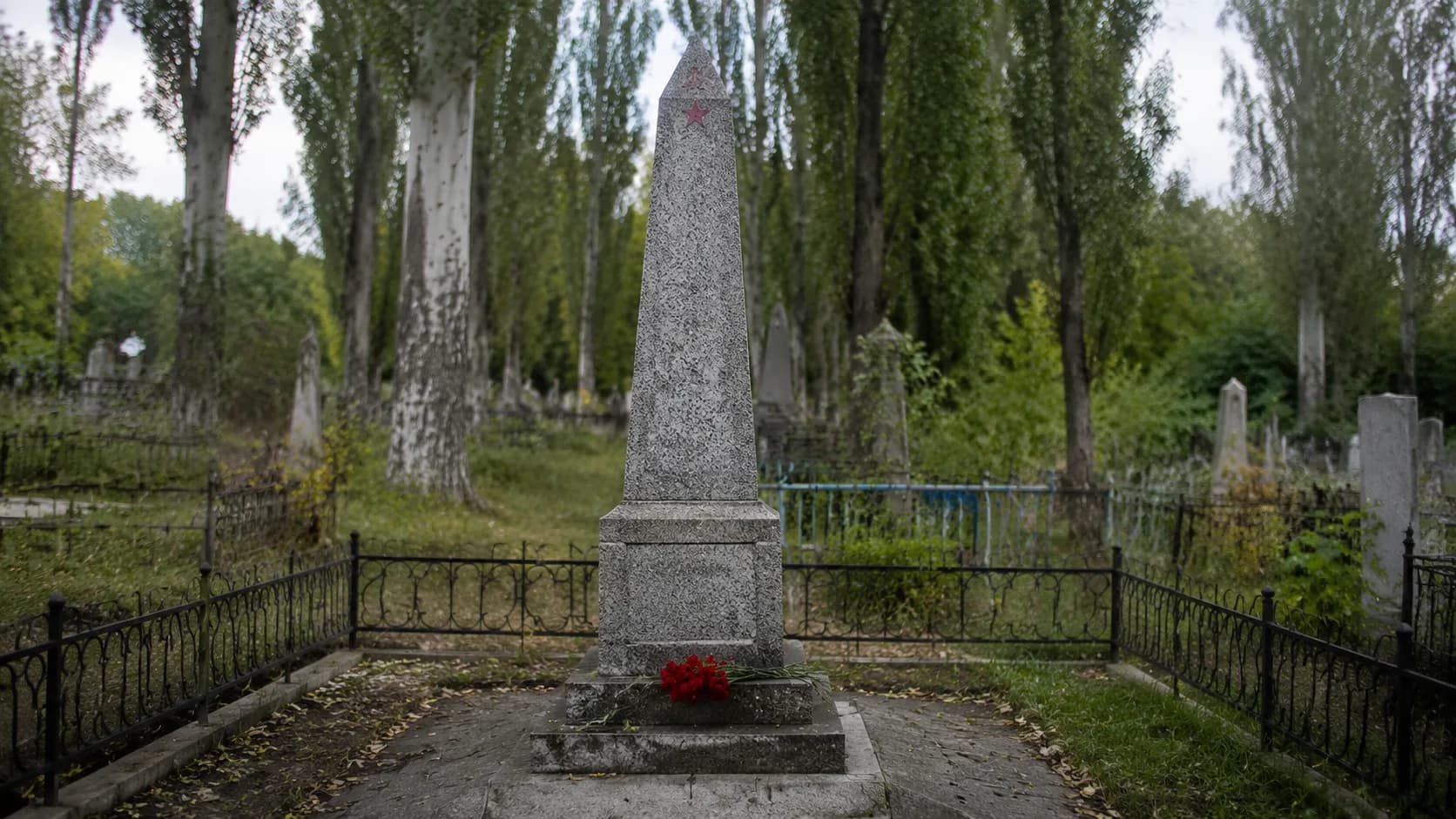
Hundreds of thousands of 20th-century victims lie in Uzbekistan: WWII veterans evacuated to hospitals in Tashkent, GULAG and exile victims, deported peoples — Crimean Tatars, Koreans, Chechens, Poles, Germans. This class of search requires a different methodology.
OBD «Memorial» — the Russian Defence Ministry's free database, the best source for soldiers and evacuated veterans. Many died in Tashkent evacuation hospitals (40+ hospitals operated 1941–1945) and were buried in Botkin's military sector.
Political repression: NKVD/KGB archives are partially declassified. Memorial Society archives (Moscow, now shuttered but the data exists), Ukrainian SBU, Estonian archives. Uzbek SNB holds some files.
Deported peoples: Crimean Tatars (1944), Koreans (1937, Far East), Chechens and Ingush (1944), Meskhetian Turks (1944). Each has its own necropolises, often rural around Tashkent and the Fergana Valley.
Polish — exile graves of the 19th century + Anders Army (1942–1943) evacuated to Central Asia. Polish cemetery in Samarkand; Polish plot in Bukhara.
German — Trudarmee deportees and repression victims (1941–1942). Volksbund Deutsche Kriegsgräberfürsorge maintains German Soviet-era grave research.
Our role: we know which sectors of Botkin and Domabad hold the military graves, can walk a sector to match names, and bring back photos. Success rates are lower than ordinary searches because archives are damaged.
Frequently asked questions
Often yes — via OBD Memorial and the Botkin military sector. 50–70% success rate, since many burials are mass graves with names on the memorial wall.
Harder. Some archives are lost, some still classified. With a known date and place of execution or camp death, there's a real chance. Without, low.